🎉 Up to 70% Off Selected ItemsShop Sale

Alocasia baginda 'Silver Dragon' (WA Prohibited)
Alocasia baginda 'Silver Dragon' is a tropical plant native to the warm and humid forests of Southeast Asia. This compact Alocasia is treasured for its dramatic silvery-green, heavily veined leaves that resemble dragon scales.
Care Tips
- Light: Prefers bright, indirect light; avoid direct sunlight to prevent leaf scorch.
- Water: Keep soil consistently moist but not soggy; allow the top layer to dry slightly between waterings.
- Humidity: Thrives in high humidity; consider using a humidifier or pebble tray.
- Temperature: Ideal range is 18-27°C; avoid cold drafts and sudden temperature drops.
- Fertiliser: Feed monthly with a diluted liquid fertiliser during the growing season.
- Potting: Use a well-draining mix with added perlite or orchid bark to prevent root rot.
- Propagation: Best propagated through division of offsets during repotting.
Additional Notes
- It is toxic to pets and humans if ingested due to calcium oxalate crystals.
$3.13
Original: $8.93
-65%Alocasia baginda 'Silver Dragon' (WA Prohibited)—
$8.93
$3.13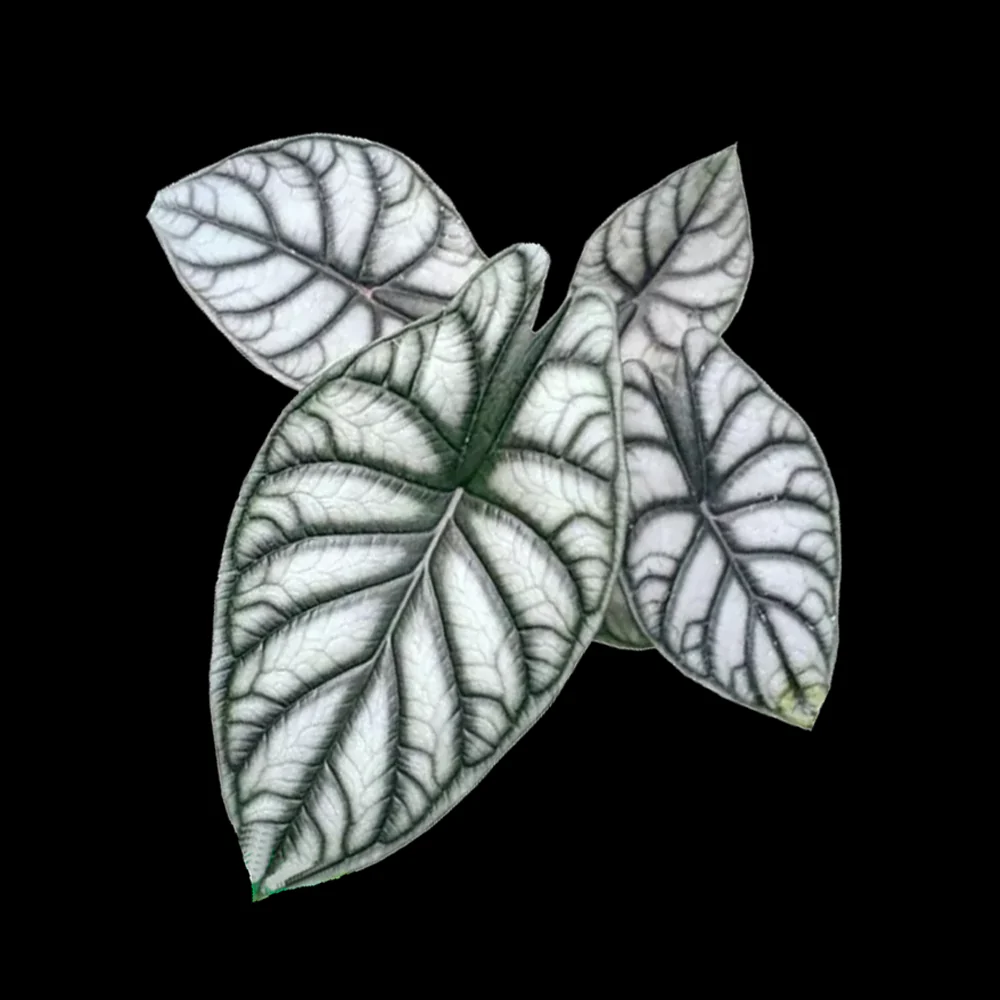


Description
Alocasia baginda 'Silver Dragon' is a tropical plant native to the warm and humid forests of Southeast Asia. This compact Alocasia is treasured for its dramatic silvery-green, heavily veined leaves that resemble dragon scales.
Care Tips
- Light: Prefers bright, indirect light; avoid direct sunlight to prevent leaf scorch.
- Water: Keep soil consistently moist but not soggy; allow the top layer to dry slightly between waterings.
- Humidity: Thrives in high humidity; consider using a humidifier or pebble tray.
- Temperature: Ideal range is 18-27°C; avoid cold drafts and sudden temperature drops.
- Fertiliser: Feed monthly with a diluted liquid fertiliser during the growing season.
- Potting: Use a well-draining mix with added perlite or orchid bark to prevent root rot.
- Propagation: Best propagated through division of offsets during repotting.
Additional Notes
- It is toxic to pets and humans if ingested due to calcium oxalate crystals.