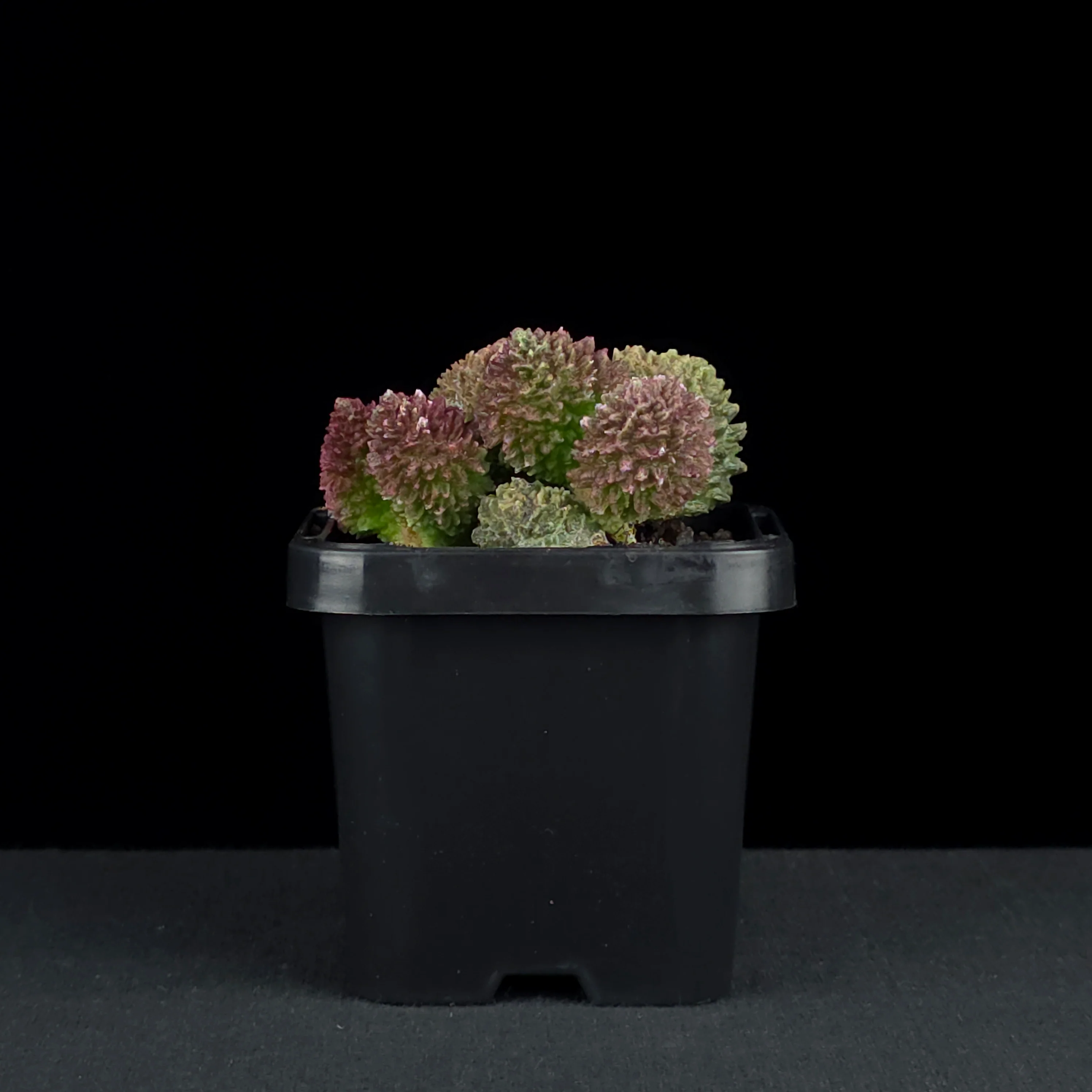
🎉 Up to 70% Off Selected ItemsShop Sale

Begonia goegoensis – Rare Begonia (WA Prohibited)
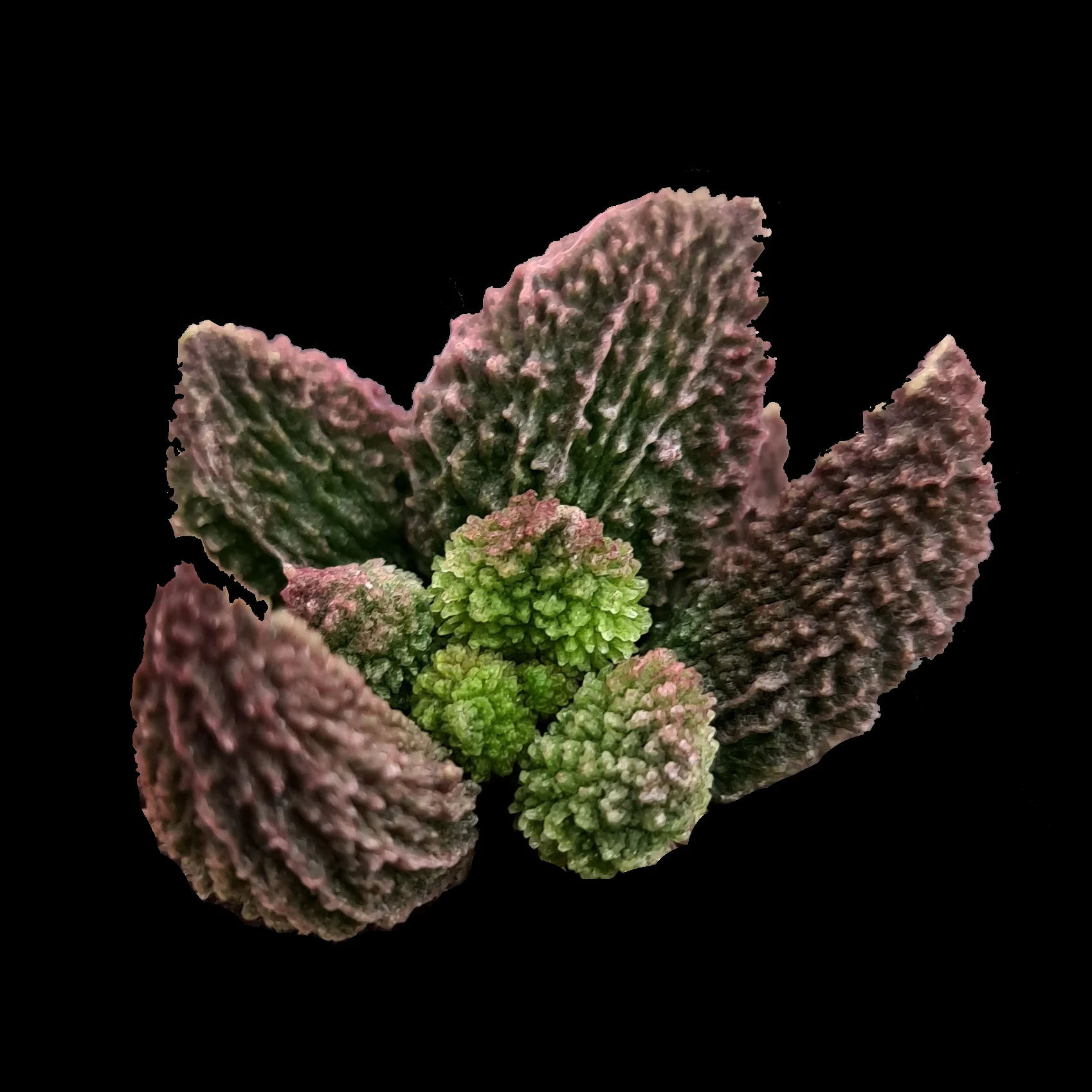
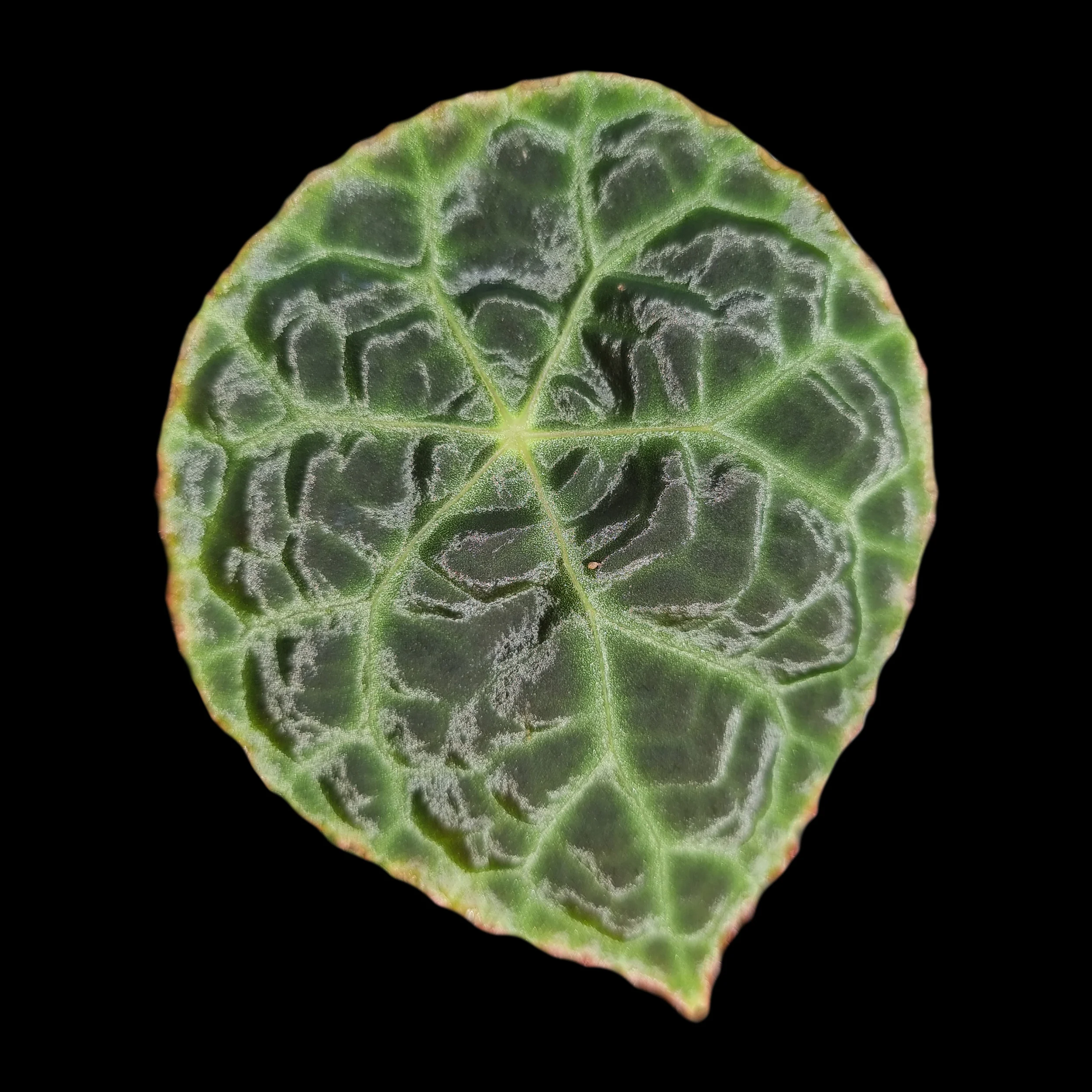
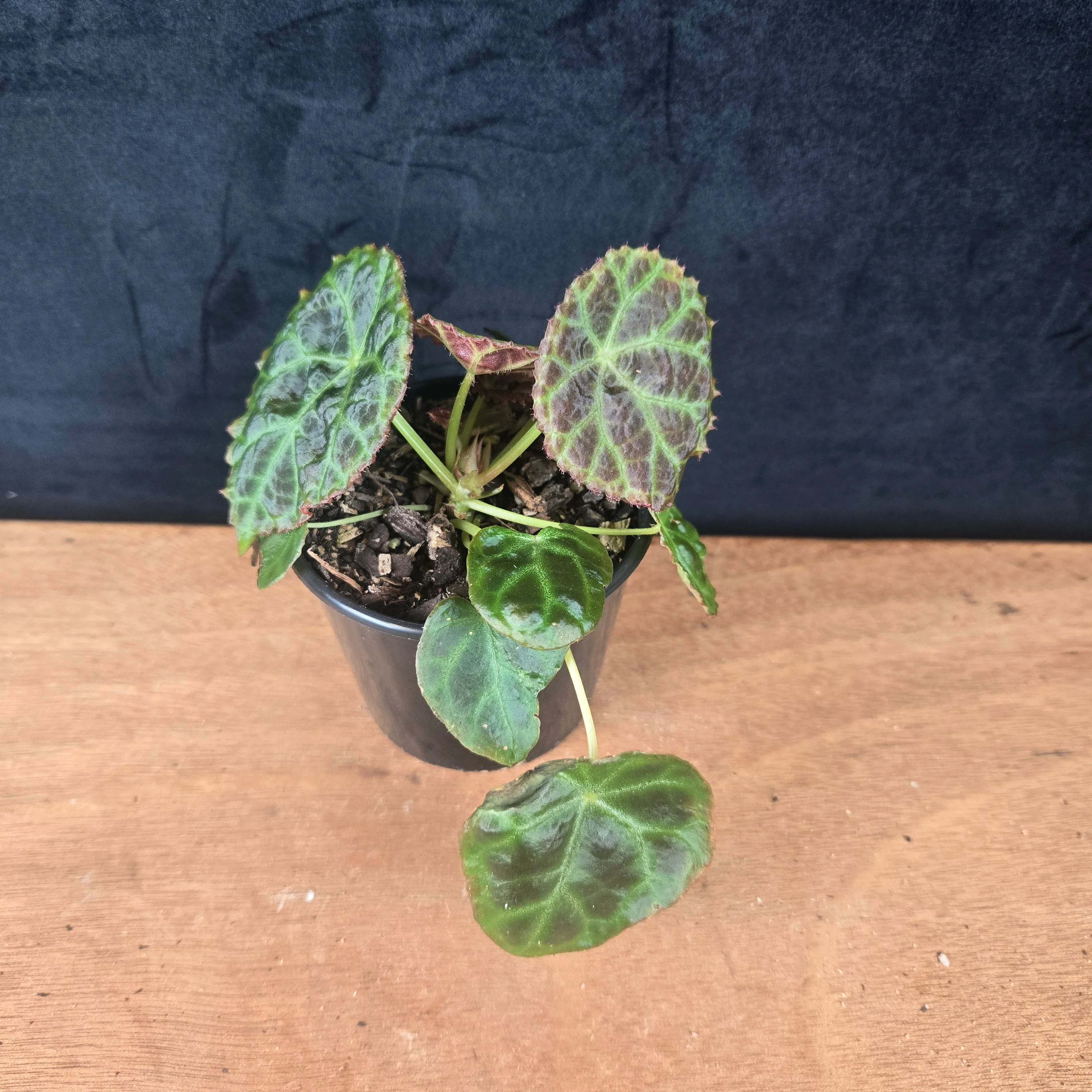
Begonia goegoensis is a visually arresting species native to the humid forests of Sumatra, Indonesia. Celebrated for its velvety deep green leaves marked by vivid red veins, this species is exceptionally sought-after by collectors due to its rarity in cultivation and striking foliage pattern.
Care Tips
- Light: Prefers bright, indirect light; avoid direct sunlight which can scorch the leaves.
- Water: Keep soil consistently moist but not soggy; allow the top layer to dry slightly between watering.
- Humidity: Thrives in high humidity above 60%; ideal for terrariums or rooms with humidifiers.
- Media: Use a well-draining, airy mix rich in organic matter—such as sphagnum moss, perlite, and orchid bark blend.
- Temperature: Optimal range is 18–26°C; protect from drafts and sudden temperature drops.
- Fertiliser: Apply a balanced, diluted liquid fertiliser every 3–4 weeks during active growth.
- Repotting: Best done in spring; avoid disturbing the rhizome excessively.
$12.50
Begonia goegoensis – Rare Begonia (WA Prohibited)—
$12.50
Description
Begonia goegoensis is a visually arresting species native to the humid forests of Sumatra, Indonesia. Celebrated for its velvety deep green leaves marked by vivid red veins, this species is exceptionally sought-after by collectors due to its rarity in cultivation and striking foliage pattern.
Care Tips
- Light: Prefers bright, indirect light; avoid direct sunlight which can scorch the leaves.
- Water: Keep soil consistently moist but not soggy; allow the top layer to dry slightly between watering.
- Humidity: Thrives in high humidity above 60%; ideal for terrariums or rooms with humidifiers.
- Media: Use a well-draining, airy mix rich in organic matter—such as sphagnum moss, perlite, and orchid bark blend.
- Temperature: Optimal range is 18–26°C; protect from drafts and sudden temperature drops.
- Fertiliser: Apply a balanced, diluted liquid fertiliser every 3–4 weeks during active growth.
- Repotting: Best done in spring; avoid disturbing the rhizome excessively.