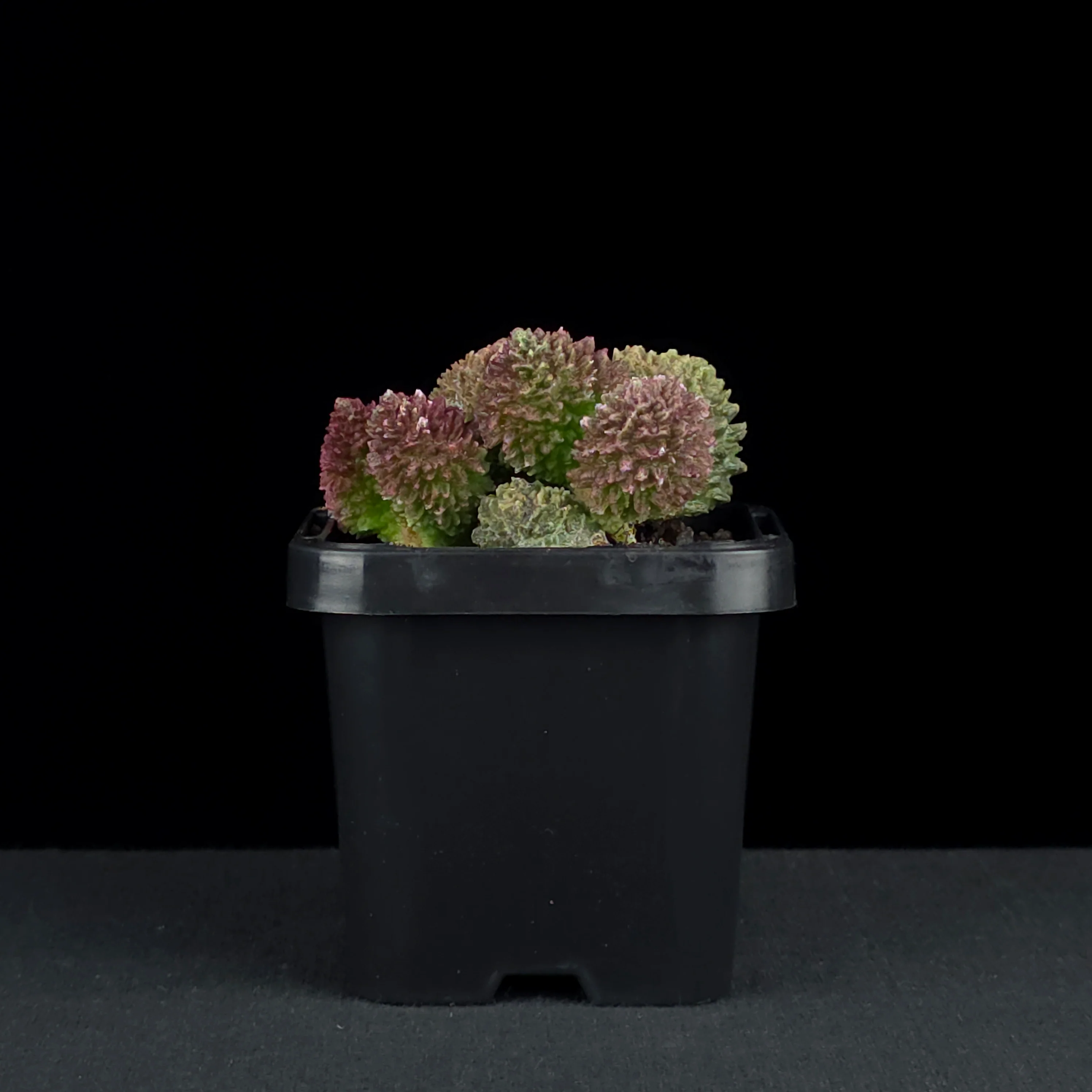
Monstera dubia
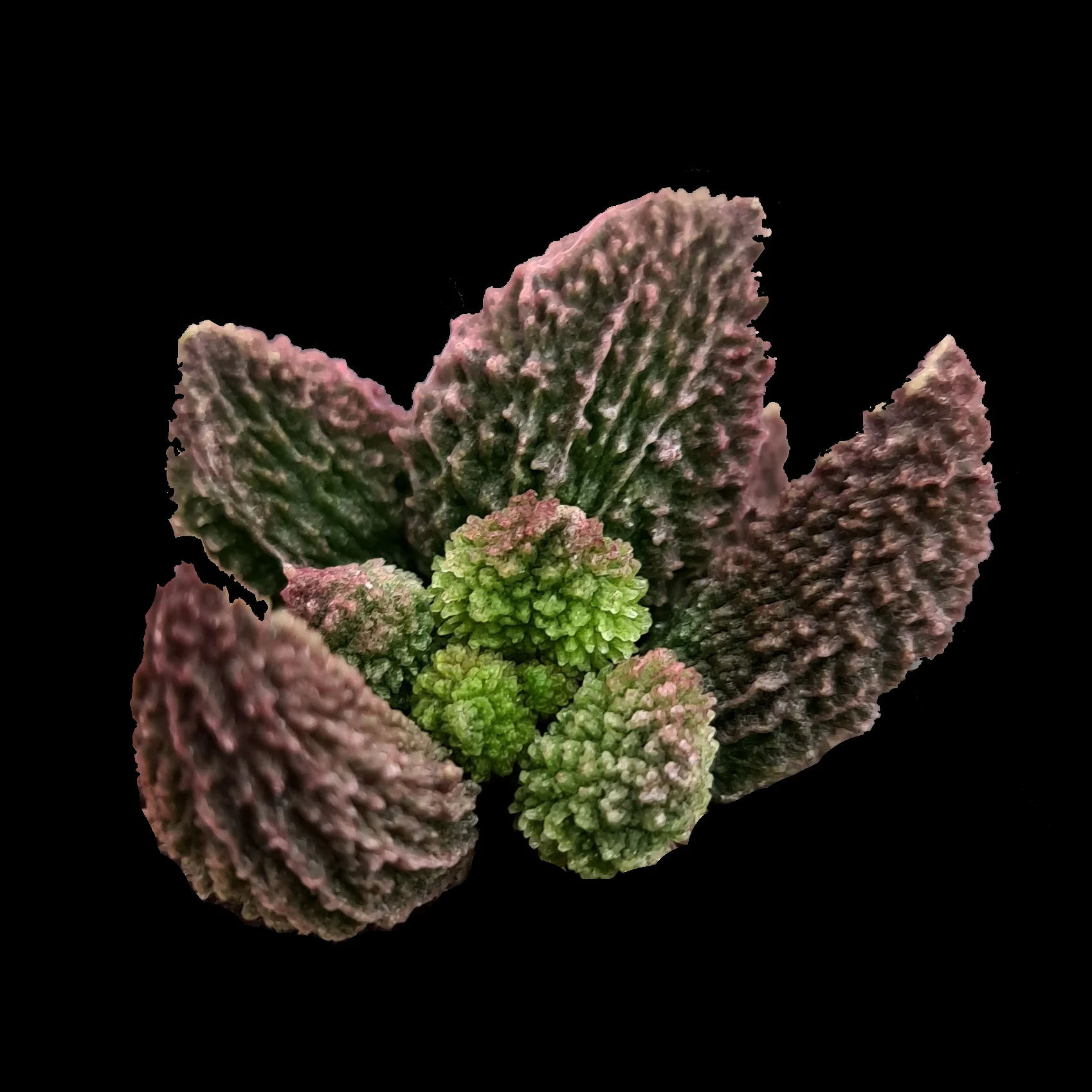
Monstera dubia is an intriguing tropical aroid native to Central and South America, particularly thriving in the lowland rainforests of countries like Colombia and Peru. Known for its unique “shingling” growth habit, it clings tightly to tree trunks and other vertical surfaces, presenting juvenile leaves that lie flat against the substrate. A lesser-known cousin of the more famous *Monstera deliciosa*, this species undergoes a striking transformation as it matures.
Care Tips
- Light: Prefers bright, indirect light; can tolerate dappled shade but may grow more slowly.
- Water: Keep soil consistently moist but not soggy; reduce watering in winter.
- Humidity: Thrives in high humidity; mist regularly or use a humidifier for best results.
- Media: Use a well-draining, airy mix—orchid bark, perlite, and peat-based soil are ideal.
- Temperature: Performs best between 18–27°C; protect from cold drafts and temperatures below 13°C.
- Fertiliser: Feed monthly during the growing season with a balanced liquid fertiliser diluted to half strength.
- Repotting: Repot every 1–2 years or when roots begin to crowd; provide a taller support with each repot.
Additional Notes
- Toxic if ingested.
Original: $14.29
-65%$14.29
$5.00
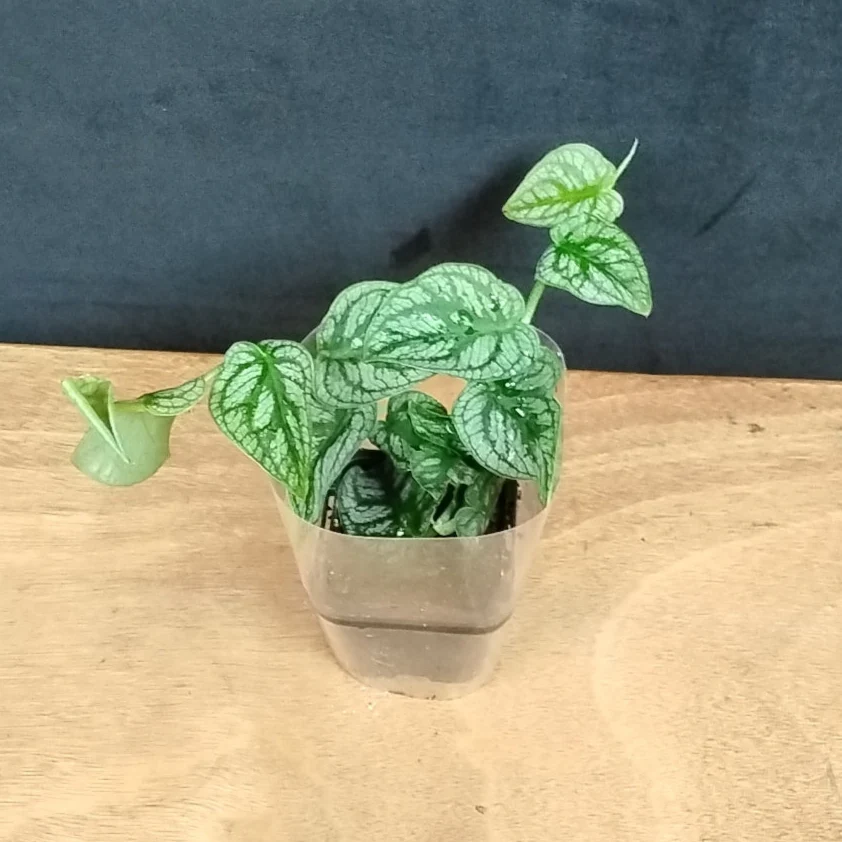
Description
Monstera dubia is an intriguing tropical aroid native to Central and South America, particularly thriving in the lowland rainforests of countries like Colombia and Peru. Known for its unique “shingling” growth habit, it clings tightly to tree trunks and other vertical surfaces, presenting juvenile leaves that lie flat against the substrate. A lesser-known cousin of the more famous *Monstera deliciosa*, this species undergoes a striking transformation as it matures.
Care Tips
- Light: Prefers bright, indirect light; can tolerate dappled shade but may grow more slowly.
- Water: Keep soil consistently moist but not soggy; reduce watering in winter.
- Humidity: Thrives in high humidity; mist regularly or use a humidifier for best results.
- Media: Use a well-draining, airy mix—orchid bark, perlite, and peat-based soil are ideal.
- Temperature: Performs best between 18–27°C; protect from cold drafts and temperatures below 13°C.
- Fertiliser: Feed monthly during the growing season with a balanced liquid fertiliser diluted to half strength.
- Repotting: Repot every 1–2 years or when roots begin to crowd; provide a taller support with each repot.
Additional Notes
- Toxic if ingested.